
This guide explains what “compact” really means, which designs save the most room, and how to measure so the sofa fits on day one.
What counts as a “small space” for a three seater sofa?
For a three seater to feel comfortable in a small space, they typically need a room where the sofa wall can handle the sofa length plus breathing room at the sides. In practice, many small living rooms can still take a three seater if circulation routes stay clear.
Small spaces usually include apartments, narrow terraces, box rooms, and open plan living areas where the sofa shares space with dining.
How wide is a compact three seater sofa?
Most 3 seater sofas for small spaces land roughly in the 190–230 cm range, but compact models often sit closer to the lower end. The difference between a 190 cm and a 220 cm sofa is significant in a tight room because it changes how much wall space remains for lamps, shelves, or walkways.
They should check total width (arm to arm), not just seat width, since bulky arms can add 20–30 cm.
Which sofa shapes work best in tight rooms?
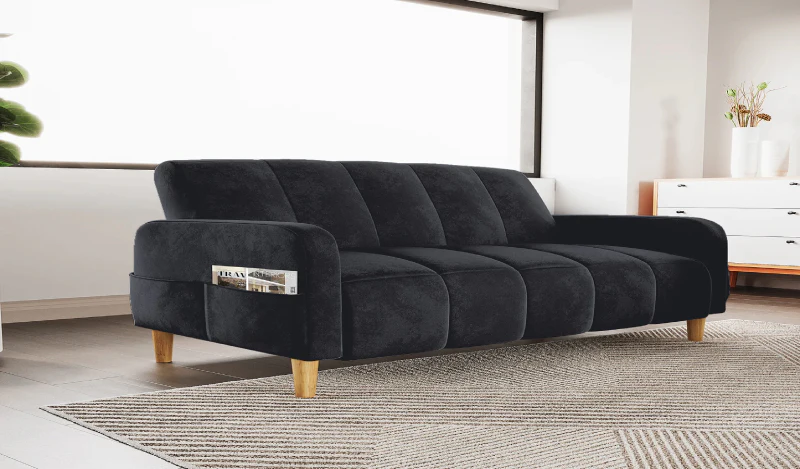
Straight, slim armed designs are usually the easiest fit because they keep the footprint predictable. A tight room often punishes deep, chunky silhouettes even if the sofa technically fits.
If they want the three seater look without the bulk, they should prioritise raised legs, narrower arms, and a visually lighter profile to keep the room feeling open.
Do slim arms really make that much difference?
Yes, slim arms can be the difference between a sofa that fits and one that blocks the room. They free up usable seat width while keeping the overall width down.
If they compare two “three seater” sofas with the same seat capacity, the one with slimmer arms often provides more seating per centimetre, which is ideal for small spaces.
Is a shallow depth better than a deep sofa for small spaces?
A slightly shallower depth is usually better because it preserves floor space and improves circulation. Many small rooms feel cramped because the sofa projects too far into the room, not because it is too wide.
They should look for a depth that still supports comfortable lounging, then use cushions for flexibility rather than buying an oversized, deep frame.
What measurements should they take before buying?
They should measure wall length, the distance from the sofa wall to the opposite obstruction, and all walking routes. The main goal is to protect the “pathways” that people naturally use.
They should also measure doorways, hallways, stair turns, and lifts. A compact sofa that cannot be delivered is still the wrong sofa.
How much space should they leave around the sofa?
They should aim for clear walking space where people pass through, and enough gap for curtains, radiators, and doors to function. Even a few centimetres behind the sofa can prevent scuffed walls and trapped curtains.
If the room is very tight, they can reduce side gaps, but they should avoid placing the sofa where it forces people to squeeze through daily.
Can a three seater replace both a sofa and extra chairs?
Yes, a well chosen three seater can reduce the need for extra seating, which often saves more space overall. One larger anchor piece can be more efficient than a small sofa plus multiple occasional chairs that float into walkways.
They can also add flexible seating like a small ottoman or pouffe that tucks away when not needed.
Should they choose a sofa bed for a small space?
A sofa bed can be smart if the room must double as a guest space, but they should expect trade offs in weight and comfort. Some sofa beds feel firmer because of the mechanism, and they may sit deeper.
They should check how far it pulls out and whether there is space for the bed to open without moving the coffee table every time.
What upholstery and colours make a small room feel bigger?
Lighter, mid tone fabrics often make a room feel more open, but durability matters just as much. In small spaces, a sofa gets heavy daily use, so the fabric should resist pilling and mark showing.
They can also use texture rather than strong contrast. A subtle weave can add warmth without visually chopping up the room.
Are raised legs better than a skirted base?
Raised legs usually work better because they show more floor, which tricks the eye into reading the room as larger. They also make cleaning easier, which matters in tight layouts where dust builds up quickly.
A skirted base can still work, but it often reads heavier. If they prefer that look, they should keep the rest of the room visually light.
Where should they place a three seater in a small living room?
Most small rooms work best with the sofa against the longest uninterrupted wall. That placement protects the centre of the room for movement and keeps the layout calm.
If the room is open plan, they can use the sofa to zone the space, but they should avoid placing it where its back blocks the natural route between key areas.
What living room layout tips make a three seater feel less dominant?
They should keep the coffee table compact, choose nesting tables, or use an ottoman that can slide under a console. Oversized tables make the sofa feel bigger than it is.
They can also use vertical storage, wall lighting, and a large rug that tucks under the front legs. That helps the seating area feel intentional rather than crowded.
Which features matter most when comfort meets compact size?
They should prioritise supportive seat cushions and a back height that matches how they sit, not just how the sofa looks online. A compact sofa can still be comfortable if the seat height, seat depth, and cushion firmness suit their posture.
If possible, they should test the sofa or confirm return terms. Small spaces make mistakes harder to live with.
How can they avoid common buying mistakes?
They should not rely on “three seater” labels, since sizing varies widely. They should always check exact dimensions and delivery constraints.
They should also avoid over prioritising trend shapes that waste space, like extremely wide arms or extra deep seats, unless the room is specifically planned for that footprint.
What is the simplest checklist for choosing the right compact three seater?
They should choose based on dimensions, shape efficiency, and daily use. If the sofa supports circulation and comfort, it will feel like it belongs.
Here is a quick checklist they can follow:
- Total width fits the wall with practical side clearance
- Depth preserves walking space
- Slim arms or high seating efficiency
- Raised legs or lighter visual profile
- Delivery route confirmed
- Fabric suits their lifestyle and cleaning habits
What should they take away before they buy?
A three seater sofa can absolutely suit a small space when they treat every centimetre as valuable. The best compact option is usually the one with a tight footprint, slim arms, sensible depth, and a layout that protects walking routes.
If they measure properly and choose a space efficient design, they can get real three person comfort without sacrificing the room.
FAQs (Frequently Asked Questions)
What defines a ‘small space’ suitable for a three seater sofa?
A small space for a three seater sofa typically includes apartments, narrow terraces, box rooms, or open plan areas where the sofa shares space with dining. The key is having enough room on the sofa wall for the sofa length plus breathing room at the sides while keeping circulation routes clear.
How wide is a compact three seater sofa and why does width matter?
Compact three seater sofas usually measure closer to 190 cm in total width (arm to arm), compared to standard sizes that range up to 230 cm. Width matters because even a 30 cm difference can significantly affect wall space availability for lamps, shelves, and walkways in tight rooms.
Which sofa shapes are best suited for tight living rooms?
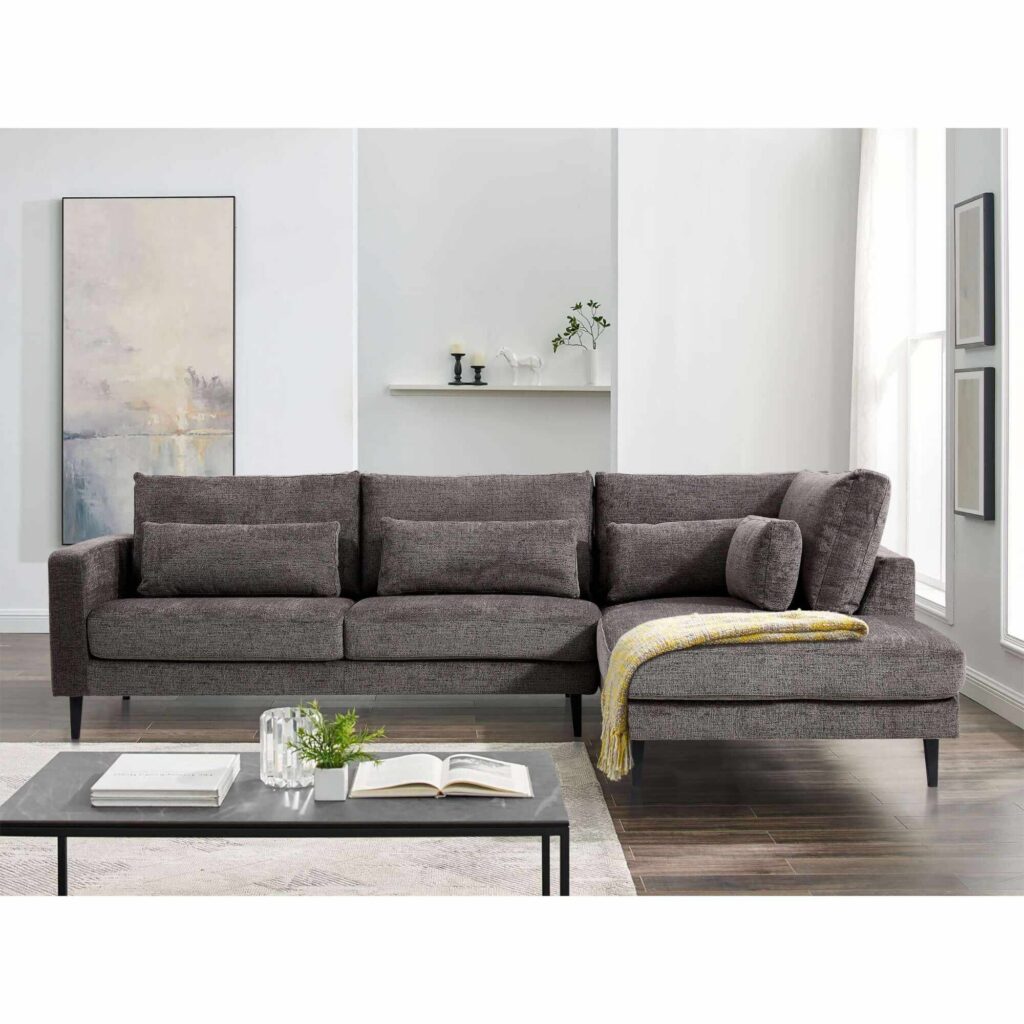
Straight sofas with slim arms and raised legs work best in tight rooms as they maintain a predictable footprint and visually lighter profile. Chunky or deep sofas often feel overwhelming even if they technically fit, so prioritizing narrower arms and elevated bases helps keep the room feeling open.
Why are slim arms important on a three seater sofa in small spaces?
Slim arms free up usable seat width while reducing overall sofa width. This means more seating per centimetre of width, which is ideal in small spaces where every centimetre counts for comfort without blocking walkways.
What measurements should I take before buying a three seater sofa for a small room?
Measure the length of the wall intended for the sofa, the distance to opposite obstructions, and all access routes—including doorways, hallways, stair turns, and lift dimensions—and apply a sofa delivery access and space measurement checklist to ensure smooth movement, clear pathways, and hassle-free installation without costly mistakes.
How much clearance space should I leave around my three seater sofa?
Aim for clear walking space that allows comfortable passage and enough gap behind or beside the sofa for curtains, radiators, and doors to function properly. While side gaps can be reduced if necessary, avoid placing the sofa where it forces people to squeeze through daily.