
This guide covers the most common tree issues they deal with and what they usually do about them.
Why do branches keep falling even in mild weather?
It often happens because of deadwood, weak branch unions, storm damage, or hidden decay. An arborist will usually inspect the canopy and structure, then remove hazardous limbs and reduce weight where needed.
They may also identify poor past pruning that caused long, heavy laterals. In those cases, selective reduction helps lower the risk without over-thinning the tree.
What causes a tree to lean or look unstable?
Leaning can be natural, but a new or worsening lean may indicate root failure, waterlogged soil, or wind damage. A qualified North Shore arborist will assess soil movement, root plate stability, and inspect the trunk for cracks, splitting, or compression.
If the risk is significant, removal may be recommended. Where the tree can be retained, they may suggest canopy reduction to reduce sail effect, along with advice on improving soil conditions, drainage, or protecting the root zone to restore stability.
Why are leaves turning yellow, dropping early, or thinning out?
Yellowing and thinning can come from drought stress, waterlogging, compacted soil, nutrient issues, pests, or disease. An arborist will usually assess the site first, not just the leaves, because soil and watering patterns often cause the symptoms.
They may recommend mulching, aeration, adjusted irrigation, or targeted treatments. If disease is suspected, they can identify it and outline a management plan to slow decline and protect nearby trees.
What does it mean when there are mushrooms or fungus at the base?
Fungal growth can be a sign that wood is decaying, sometimes in the roots or lower trunk. An arborist will typically assess the extent of decay, look for cavities, and evaluate the tree’s target risk, like proximity to houses, paths, or driveways.
Some fungi are harmless, but others indicate major structural weakness. Depending on findings, they may recommend monitoring, pruning for load reduction, or removal if stability is compromised.
How do arborists handle roots lifting paving or cracking retaining walls?
Root damage is usually a conflict between tree placement and hard surfaces. An arborist will often identify which roots are causing the issue and whether the tree can tolerate root pruning.
They may recommend root barriers, careful root pruning, or redesigning paving to accommodate growth. If the tree is unsuitable for the space, they might advise staged removal and replacement with a better species for tight setbacks.
Why do gutters and drains keep blocking near certain trees?
Some species drop heavy leaf litter, flowers, or seed pods, and others send fine roots into cracked pipes. An arborist may recommend strategic pruning to reduce litter load over roofs, plus advice on gutter guards and maintenance timing.
If roots are entering drains, they can help assess whether the tree is the likely source and whether root management or removal is the most practical long-term fix, depending on pipe condition and location.
What can be done about trees growing too close to buildings or powerlines?
Poor clearance creates safety risks and can trigger emergency callouts after storms. An arborist typically carries out clearance pruning using methods that reduce regrowth problems, rather than bluntly topping branches.
For powerline conflicts, the safest option is often coordination with the relevant utility requirements. In tight urban blocks, they may also recommend replacing the tree with a smaller mature-size species.
When is pruning actually helpful, and when does it make things worse?
Pruning helps when it removes defects, reduces risk, improves clearance, or supports tree health with proper cuts. It makes things worse when it involves topping, excessive canopy removal, or incorrect timing that stresses the tree.
An arborist will usually choose pruning types like deadwooding, selective reduction, or structural pruning. They also consider growth habit and species response so the tree does not rebound with weak, fast regrowth.
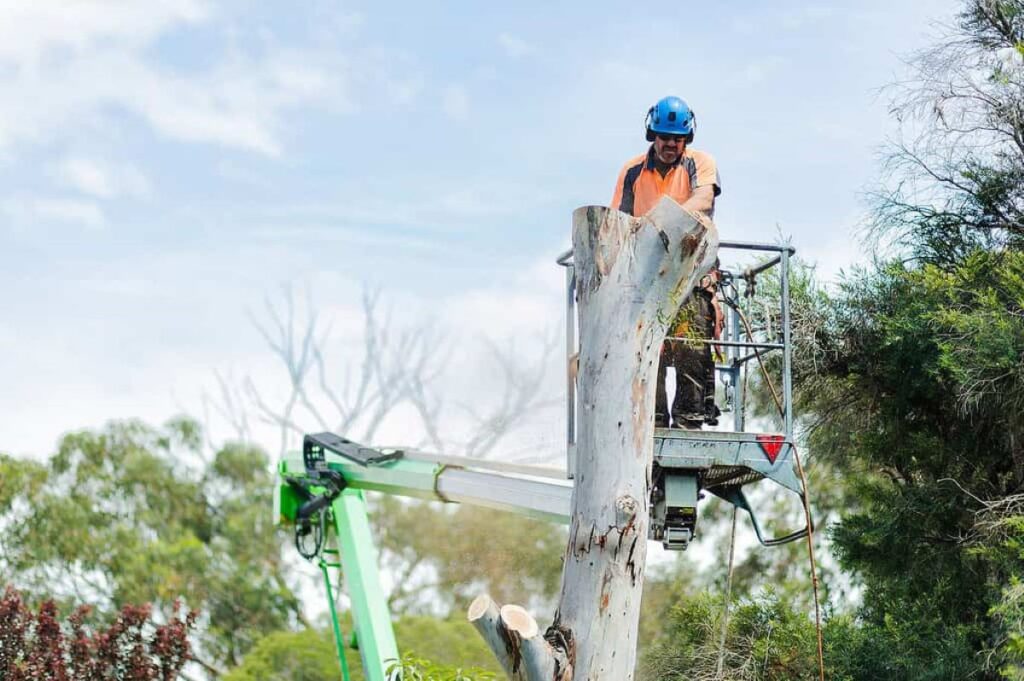
How do they decide whether a tree needs removal?
Removal is usually recommended when risk cannot be reduced to an acceptable level, the tree is dead or dying, or major structural faults are present. An arborist will assess likelihood of failure and what the tree could hit if it fails.
They also consider whether alternatives exist, like reduction or staged works. If removal is needed, they can plan it to minimise impact on surrounding plants, fences, and nearby structures.
What should homeowners do before booking an arborist?
They should note the symptoms, recent changes, and what the tree could damage if it fails. Photos after storms, signs of soil lifting, and areas of repeated branch drop can help speed up assessment.
They should also avoid DIY cutting of large limbs or roots, since it can increase failure risk. A qualified arborist can provide a safer plan and help protect the tree, the property, and the people around it.
Related : A Complete Guide to Booking Hedge Trimming Services Sydney
FAQs (Frequently Asked Questions)
Why do tree branches keep falling even in mild weather?
Branches often fall due to deadwood, weak branch unions, storm damage, or hidden decay. An arborist typically inspects the canopy and structure to remove hazardous limbs and reduce weight as needed, sometimes addressing poor past pruning through selective reduction to lower risks without over-thinning.
What causes a tree to lean or appear unstable?
A new lean in a tree can indicate root failure, saturated soil, or wind damage. Arborists assess soil movement, root plate stability, and trunk integrity. Depending on risk levels, they may recommend removal or retention with canopy reduction and advice on soil and root-zone care to improve stability.
Why are tree leaves turning yellow, dropping early, or thinning out?
Yellowing and thinning leaves may result from drought stress, waterlogging, compacted soil, nutrient deficiencies, pests, or disease. Arborists evaluate site conditions including soil and watering patterns before recommending mulching, aeration, irrigation adjustments, or targeted treatments to manage decline and protect nearby trees.
What does the presence of mushrooms or fungus at the base of a tree indicate?
Fungal growth often signals wood decay in roots or lower trunk areas. Arborists assess decay extent, cavities, and risk based on proximity to structures. While some fungi are harmless, others suggest structural weakness requiring monitoring, pruning for load reduction, or removal if stability is compromised.
How do arborists address roots lifting paving or cracking retaining walls?
Root damage arises from conflicts between tree placement and hard surfaces. Arborists identify problematic roots and determine if root pruning is tolerable. Solutions include installing root barriers, careful pruning, redesigning paving for growth accommodation, or staged removal with replacement by suitable species for tight spaces.
Why do gutters and drains frequently block near certain trees?
Some tree species produce heavy leaf litter or seed pods that clog gutters; others send fine roots into cracked pipes. Arborists recommend strategic pruning to reduce litter over roofs and advise on gutter guards and maintenance timing. For root intrusion in drains, they assess source likelihood and recommend root management or removal based on pipe condition.